




AIA Australia’s cautionary note that the life and health insurance industries are facing structural change, driven by mounting mental health claims, generated lots of reader interest this week…
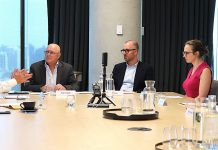
AIA Australia CEO Damien Mu has cautioned advisers that the life and health insurance industries are facing structural change driven by mounting mental health claims, rising premiums, and ongoing cost-of-living pressures.

Speaking during the company’s online Thrive for Life presentation last week, Mu said economic volatility, regulatory churn, and affordability challenges were making current life insurance models unsustainable.
“Most households could afford only two mortgage repayments if they lost their income,” he said. “At the same time, premiums, schooling costs, and everyday expenses keep rising – it’s a serious issue for customers and advisers alike.”
Mu said claims patterns have also shifted in the past decade, with mental health claims doubling since 2014.
Mental health claims are really having a negative impact across the industry…
“Around 70 percent of our claims this year have come from white-collar workers,” he said. “Covid, hybrid work, and digital disruption have left many people struggling to adapt.
“Mental health claims are really having a negative impact across the industry, and but more importantly, the cost of productivity and the impact on people’s lives. Mental health doesn’t discriminate by age.”

To restore affordability and ensure product longevity, he said AIA Australia is focusing on sustainable pricing and severity-based product design rather than comprehensive, high-cost TPD cover.
Mu said the insurer’s long-running TPD Assist model, which supports clients’ gradual return to work, had delivered strong outcomes and would inform future product refinements.
He also urged advisers to reassess product selection through a long-term affordability lens.
“Comprehensive cover might look attractive upfront, but sustainability matters more to clients who need to maintain protection over time,” he said.
…we need a system that works for advisers, clients and insurers…
Mu also said industry, regulators, and advisers would need to move together to modernise best-interest duties and support the transition to more sustainable life insurance structures.




I read this article with interest, and while I don't disagree with many of the observations on face value, the context in which they're presented feels, disingenuous.
Yes, the industry faces economic volatility, regulatory churn, affordability challenges, mental health claims, ongoing cost-of-living pressures, COVID impacts, hybrid work transitions, and digital disruption and the list goes on. So the question is, what do you think advisers have been doing this whole time?
Our job is to help clients understand, assess, and implement solutions that best manage risk. We've been navigating every single one of these challenges alongside our clients, not observing them from a distance. The insurer's job, and that of the regulators, are to ensure the products we recommend are not only affordable but sustainable long-term.
When we hear that "comprehensive cover might look attractive upfront, but sustainability matters more to clients who need to maintain protection over time," it's hard not to agree. But let's be clear, advisers have been doing exactly this the whole time.
By example, as evidenced by the ASIC/APRA Premium Review findings. The issue isn't that advisers haven't considered long-term affordability, it's that the products insurers put into the market failed to deliver on the very promises they were designed to meet.
For nearly two decades, advisers were told Level Premium structures were the solution for sustainable and affordable cover. Now, following seven (7) out of the last nine (9) years of double-digit premium increases, most notably for clients with Level Premium structures, advisers are being urged to "reassess product selection through a long-term affordability lens"?
Insurers are supposed to be the specialists in pricing risk and managing claims. They put the products in the market. They incentivised advisers for using their products. They received the premiums and market share. Now the industry finds itself unable to sustain the very products they designed, and advisers are being lectured on affordability and sustainability? It's all a bit tone deaf.
I agree it will take industry, regulators, and advisers moving together to modernise best-interest duties and support the transition to more sustainable life insurance structures. It will absolutely take all sides to ensure clients have affordable, suitable, and sustainable products available.
However, my immediate response here is, you first.
Show us sustainable pricing models that actually work over time. Take accountability for the products already in market. Lead the reform rather than simply pointing to external factors and urging advisers to clean up the mess.
Then we can talk about moving together.
I fully agree with everything Jessica has said in her comments.
My reading of this article from AIA is that they're attempting to prejudice any possible review of LIF where advisers may seek to endeavour to put commissions back to where they actually provide the basis of a profitable business.
So what the industry are arguing is this: that despite the fact that their distribution costs halved with LIF, and they jammed up level premiums, and they engaged in discount base pricing for new business, and they continue to engage gouging of legacy policies, apparently they're unable to run sustainable policies.
I think I've seen this script before, just a few times. And you can guarantee some dumb government minister will accept this argument at face value
Once a BDM for the insurer, always the mouthpiece for excuses.
Insurance – health, life, other, is designed to be more expensive as people get older in the hope that they will just give up on affordability.
And if that doesn't work, just deny the claim. Or simply increase the premiums further.
Just another insurance company
How much time do insurers think we have to explain these features and staged claims to clients and actually ensure they understand them and comply with best interest duties. More complaints and trips to AFCA when they only get a pittance to what they are insured for.
Instead, add a discount to existing policy owners to opt-in to add a mental health exclusion and re-rate everyone with a mental health exclusion.
Add a policy option on applications to automatically exclude mental health and alter the premium accordingly. Simplez!
AIA’s “life insurance unsustainability” narrative is a convenient excuse for their catastrophic underperformance and ongoing failure to adapt to the post–Royal Commission landscape.
It's hard to believe that AIA once led the Retail premium market share for many years. Now they’re clinging to 9th place. Their fall from grace is driven by:
1. Uncompetitive pricing
2. Deteriorating claims and underwriting experience. It feels very transactional these days. There's a loss or experienced operators with industry knowledge
3. Retail underwriters openly acknowledge they no longer consider individual client circumstances or commerciality – a complete departure from the pragmatic approach that once set AIA apart. Underwriting managers have stated to me and peers that they are no longer tied to adviser satisfaction KPIs. If true this is appalling and explains a lot of things
4. It's common knowledge that AIA senior leadership is focused on role preservation, not adviser or customer outcomes. This culture is the result of cost cutting restructures which have delivered no tangible improvements, and the same senior leaders remain. A clean‑out from the top should be seriously considerd at their next restructure
5. Vitality remains a major friction point. Advisers have said for years that it gets in the way of writing business but AIA refuses to drop it. They are completely out of touch with the Australian market. Vitality hasn’t been a competitive differentiator for years.
At this rate, AIA’s Retail business will slip off the cliff in 2026 unless drastic changes are made — and made fast.
Comments are closed.