




Rising mental health claims are placing pressure on the sustainability of TPD insurance, prompting insurers, reinsurers, and regulators to reassess product design and underwriting practices.

Speaking during the first in a of five-part Zurich Sustainability Round Table series, the firm’s Head of Retail Tim Kane said the challenges facing TPD sustainability were well known.
He said around a third of TPD claims are now linked to mental health, making it one of the most critical sustainability issues facing the industry. He also said it was a key factor behind regulators issuing an open letter to insurers last year.
Zurich Product Owner for Propositions Ioana Logan said insurers needed to go back to basics in TPD design.
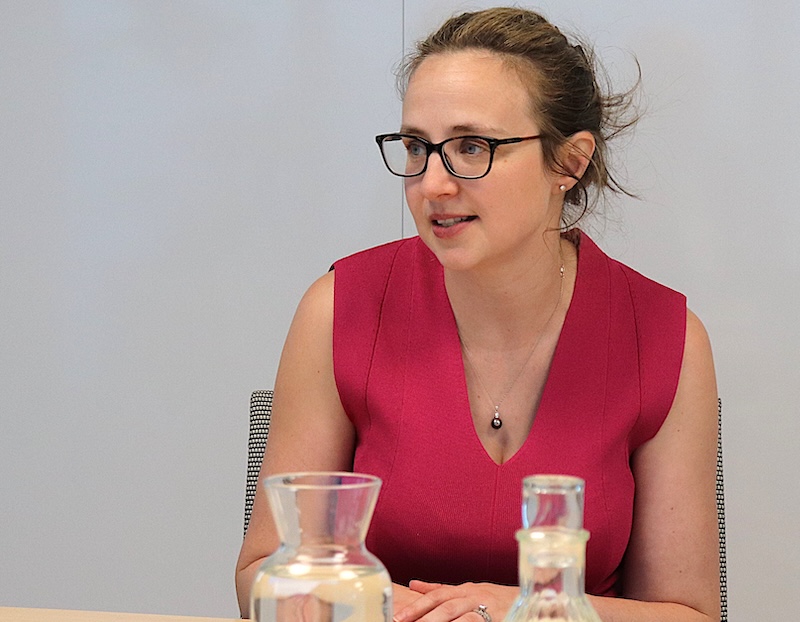
“We have to start with the consumer and what are we insuring people for. What is the need that we’re meeting?” she said. “Insurance is a critical safety net, but that insurance can only work and be sustainable, affordable, and accessible if we take it back to first principles.”
She said subjective conditions such as mental health and chronic pain do not always align neatly with those principles.
The sum insured is going up, the actual need is going down…
GenRe Regional Chief Actuary Matt Ralph said while many TPD policies are appropriately structured at inception, financial needs typically decline as policyholders age, and sums insured often continue to increase through indexation.
“The sum insured is going up, the actual need is going down,” said Ralph, adding the system creates incentives to claim.
Reinsurance firm SCOR’s Australia and New Zealand Head of Client Partnerships David Craven said indemnity principles needed to be assessed across TPD and IP product lines. He called for greater emphasis on financial underwriting and a clearer definition of what TPD insurance is designed to cover.
Keely O’Brien, CALI’s GM of Corporate Affairs and Strategy, said that while TPD remains essential, the episodic nature of many mental health conditions raises legitimate questions about whether existing product structures remain fit for purpose.
She noted that while a substantial number of Australians experience mental ill health, only a minority are permanently incapacitated.
“In Australia, 43 percent of people will suffer a mental health condition in their lifetime. Right now there’s about 800,000 people who have a severe mental illness. Of those, the Australian Institute of Health and Welfare would classify about 300,000 as permanent incapacity.
“But the vast majority, the other 500,000, are suffering from a more episodic condition. So they might be very unwell one day or for a series of days, weeks or months, but they have periods of feeling quite well.”
O’Brien added that with mental ill health affecting a growing share of Australians, the industry now faces the task of ensuring insurance remains affordable, accessible and sustainable.