
While there is good work occurring in some places to help meet the unprecedented consumer demand for advice over the next five to 10 years, it’s uncoordinated, insufficient and happening too slowly, according to The Advisers Association.
TAA CEO Neil Macdonald says the profession can, and should, take a much more proactive role, saying that “…not only is it possible to close the gap, it is also essential – but we need to take coordinated action right now.”
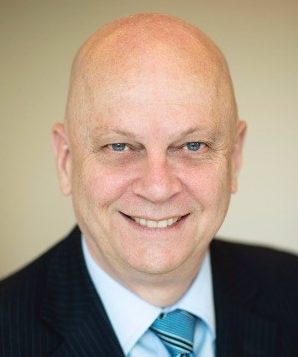
Macdonald says the first cab off the rank should be stemming the exit of experienced advisers.
“There are highly experienced advisers who have passed the FASEA exam, but are not willing, or not able, to commit to the further education required to continue practising,” he says.
Highly experienced advisers “…should be allowed to continue to practise without having to meet the new education requirements potentially until 2035, subject to certain criteria.”
TAA says the criteria could include:
- Passing the FASEA exam
- Having a minimum of 15 years’ experience at 31 December 2021
- Passing a competency assessment at AQF7 level or above
Macdonald says that submissions were previously made about an experience pathway “…but this is now outside our control and for Government to decide. What is within our control is helping to change the mindset of older advisers in relation to further education and helping them prepare for it.”
Education providers could, for example, be encouraged to create training specifically for older advisers.
Macdonald also says the profession could be thinking more laterally in relation to attracting university graduates.
He noted that the 2022 longitudinal Graduate Outcomes Survey found that some people graduating from some undergraduate programs are under-employed in the short term – that is, four to six months after graduating.
“Graduates of study areas such as mathematics, computing and information systems, accounting, business management, banking and finance, economics, and law had short-term, full-time employment outcomes of around 80% or less,” he says.
Macdonald says some of these study areas are closely related to financial advice.
“We therefore have a window of opportunity when people first graduate to encourage them to consider other options and doing what may be just a few additional subjects to follow an advice career.”
…the profession needs to create an organised recruitment campaign…
He believes the profession needs to create an organised recruitment campaign ”…so that this opportunity is not lost. The campaign could highlight the great things about the profession and make it easy for graduates to find and take up places.”
The third issue to be tackled is the Professional Year which Macdonald said creates a significant time and money impost on licensees and smaller businesses.
He adds that when you are a small AFSL, “…supervising graduates often means you can’t be as productive in your business. You also obviously have to pay them. The flip side is that employing graduates is likely to be more affordable than hiring experienced advisers, and they’re likely to be tech savvy, which could lead to greater business efficiencies.”
While the profession is not in control of those kinds of decisions, Macdonald said it could work with educators, technology providers, licensees and practices to develop programs that make the supervision, recording and assessment of PY requirements easier.