
Advice practices seeking greater efficiency through artificial intelligence should first reconsider the outcomes they want to achieve, rather than simply add the technology to existing processes, according to general advice practitioner and AI expert, Stefan D’Alessandro.
Speaking at the 2026 Australian Advisory Annual Conference in Adelaide this week, the SubFocus.AI founder said the AI opportunity for advice practices extended well beyond drafting emails or transcribing meetings. He told attendees that connecting AI tools with business information could help practices reduce administrative work and prepare for more meaningful client conversations.
…introducing AI without reviewing established ways of working could reinforce existing inefficiencies
He cautioned, however, that introducing AI without reviewing established ways of working could reinforce existing inefficiencies:
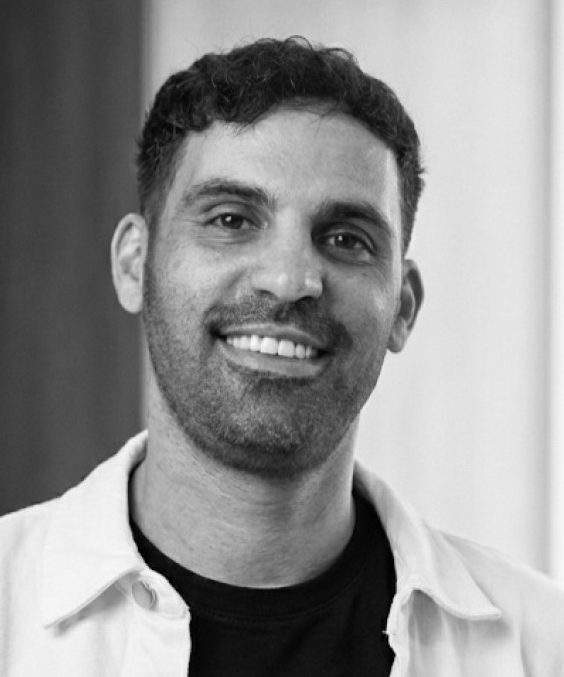
“If you bolt AI into an existing process that hasn’t been reviewed in a number of years, it will only enhance the inefficiencies of that process,” D’Alessandro told delegates, encouraging advisers to start with the goal, then consider how technology might enable a different approach.
Context determines the result
A central theme of D’Alessandro’s presentation was the importance of giving AI sufficient context. He said businesses seeking to automate a workflow often discovered that important steps or exceptions existed only in someone’s head. Unless those details were captured, an AI tool would lack information needed to perform the task properly.
He argued that connecting business systems was making AI more useful in the workplace, allowing users to draw on information without repeatedly copying it between applications.
As an example, he described a scheduled Monday briefing in his own business that brought together accounting information, meeting records, client management data and the coming week’s calendar.
The intention was to provide an overview of cash flow, upcoming meetings and previous conversations, reducing the preparation he would otherwise undertake himself.
…restrictions on access to business data could frustrate practices seeking greater efficiency
However, he identified closed technology systems as a barrier, saying restrictions on access to business data could frustrate practices seeking greater efficiency. He also warned that pursuing alternatives without appropriate guidance could create security and compliance risks.
Delegate tasks with clear boundaries
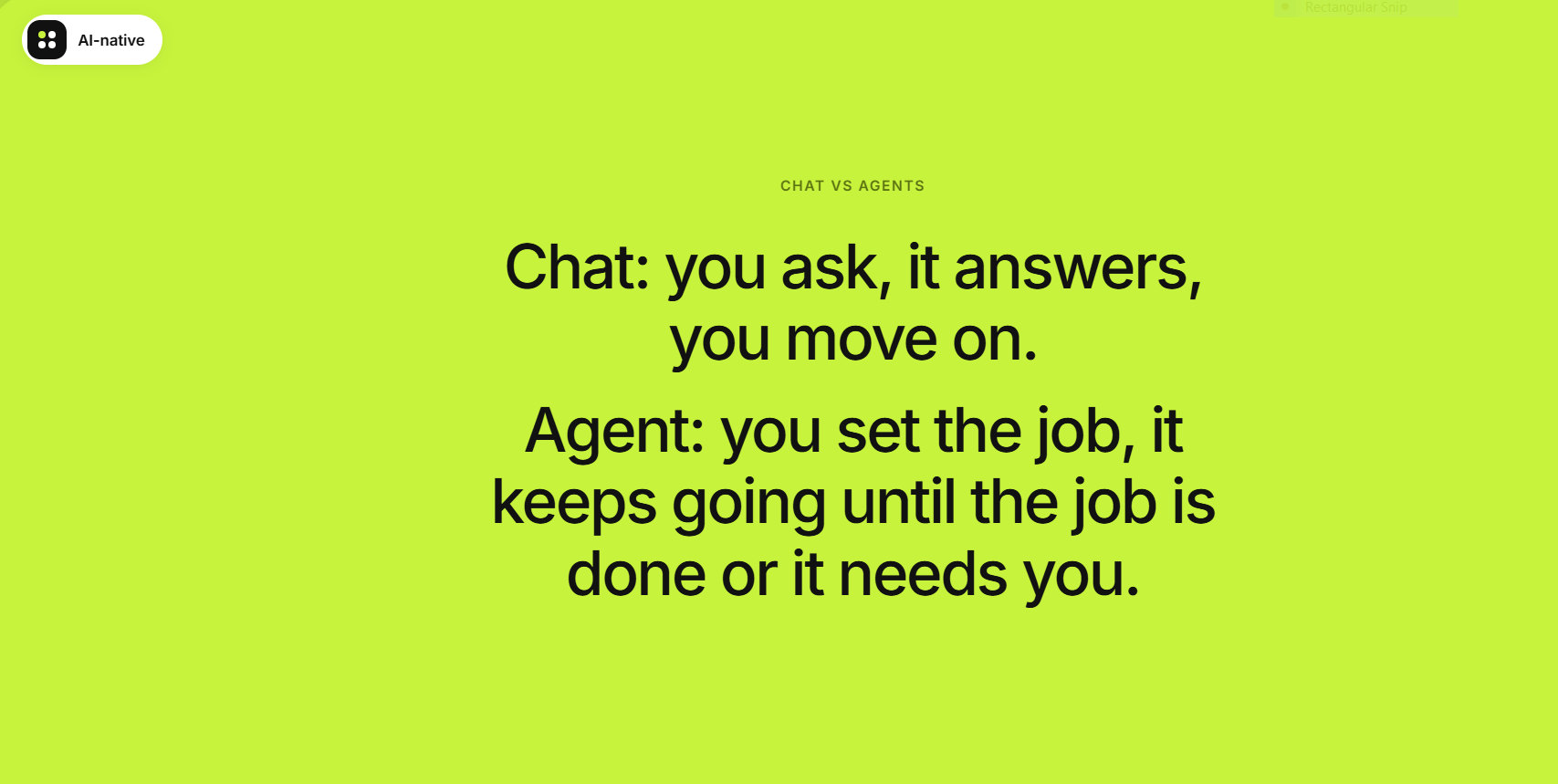
D’Alessandro described AI agents as tools that could be assigned defined tasks, given access to relevant systems and instructed about what they were permitted to do.
His approach was to allocate specific job functions rather than assume an agent could perform an entire professional role.
In his technology business, for example, he said an agent helped with financial administration, including invoices and weekly reporting. He distinguished the broad autonomy he was testing in that business from his general advice operation.
For advisers considering practical applications, he described using AI to review consolidated files before compliance assessment, looking for issues such as missing signatures, inconsistent dates or file notes that might indicate a departure from the permitted advice scope.
He also emphasised human review and accountability.
“This for me is around making sure that I’m a human in the loop at the end of every simple process so that nothing leaves the door unless I’ve seen it,” he said.
More capacity for client work
D’Alessandro challenged the assumption that adopting AI necessarily meant reducing staff numbers. In businesses he worked with, he said improved efficiency could instead change where the next employee was needed.
He also questioned whether AI would ultimately mean less work, suggesting it could create capacity to address the backlog of worthwhile activities businesses rarely found time to complete.
For advisers, the client conversation was changing too. He observed that clients increasingly arrived having researched their circumstances through AI tools, requiring advisers to validate or challenge information they had already encountered.
Against that backdrop, D’Alessandro emphasised the continuing value of trust and personal connection, with technology providing an opportunity to redirect effort towards more meaningful client work.