


The net number of advisers increased by two to 15,138 over the past week, according to the latest stats.

Citing ASIC data, Colin Williams, Data Manager at Padua Wealth, says weekly adviser movement has slowed compared with recent weeks – with six new entrants recorded since 1 January – taking the total number of new advisers to 37 so far this year.
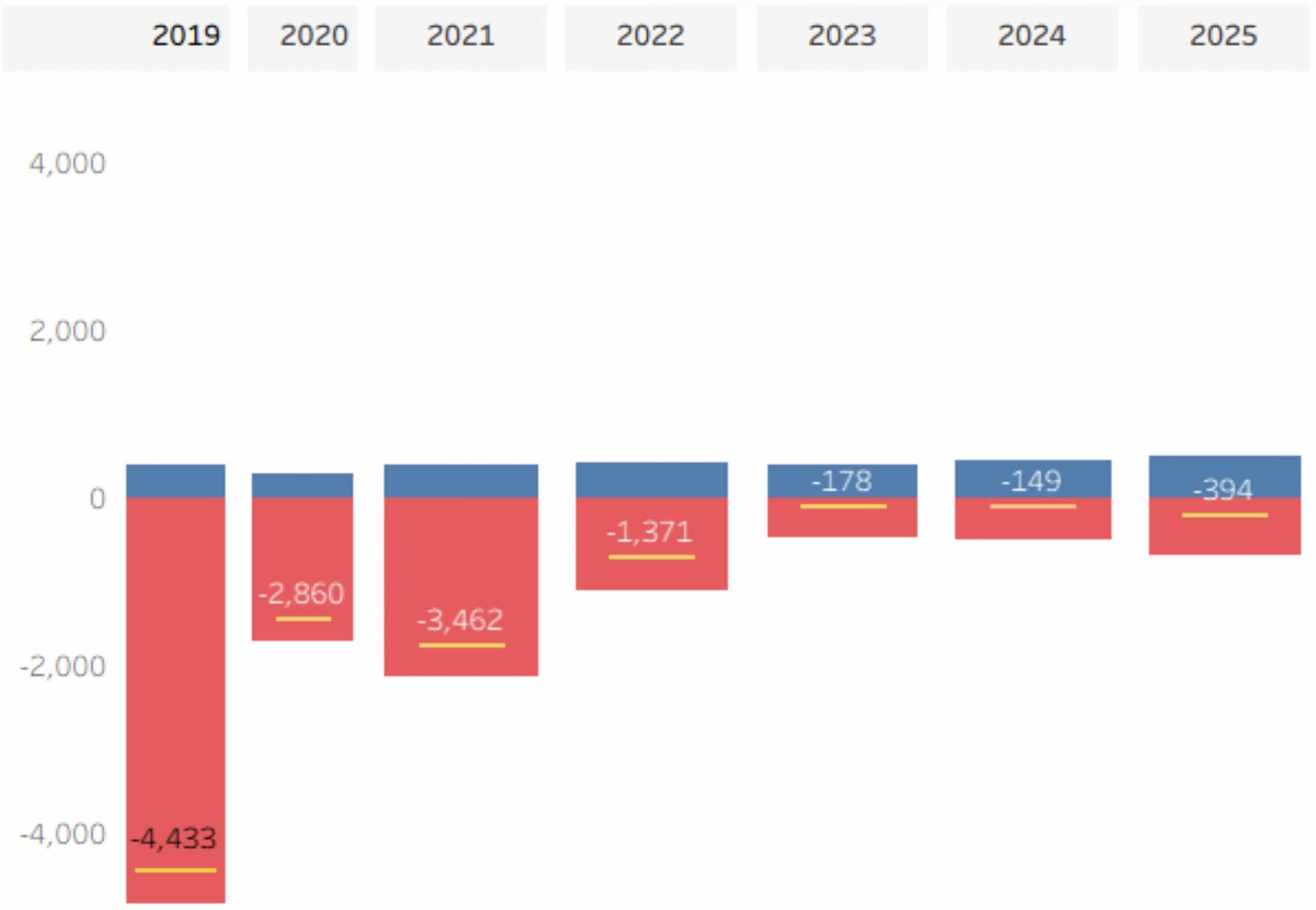
Last year saw a drop of 394 advisers, much of which occurred in December due to new qualification requirements. While more than 440 advisers ceased in December, the net loss was softened by new entrants and returning advisers, bringing the net loss for the month to 330, significantly less than previously anticipated.
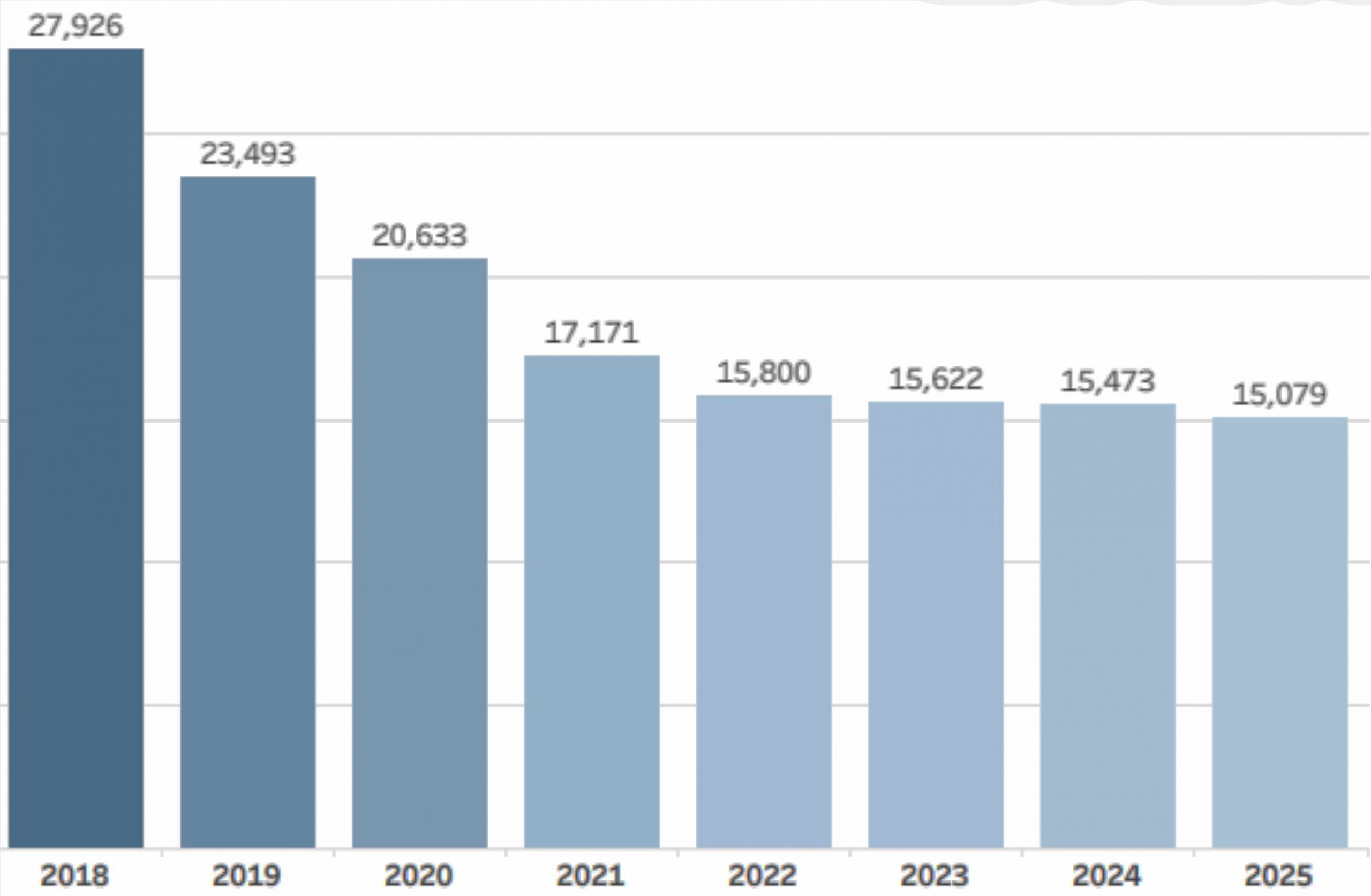
Still, charts produced by Padua Wealth puts the longer-term trend in adviser numbers into sharp focus, showing adviser numbers have fallen from 27,926 in 2018 to 15,079 by 31 December 2025, before starting to climb this month.
A second chart also highlights fluctuations in adviser attrition since 2019.
Experienced Pathway
Analysis of the latest ASIC weekly ‘point-in-time’ data dated 22 January – designed to track adviser qualifications and the Experienced Pathway – and cross-referenced with the Financial Advisers Register, reveals ongoing compliance challenges.
According to Williams, 130 advisers have not yet indicated whether they intend to take up the Experienced Pathway and continue to appear as not meeting the 2026 education standards (the figure is down from 185 the previous week).
Of the 130 advisers:

- 114 are authorised under licensees with fewer than 10 advisers
- 69 may potentially be eligible for the Experienced Pathway
- 28 have indicated they will not pursue the EP despite holding no recognised qualifications
The data also indicates that 66 advisers who have flagged their intention to use the Experienced Pathway sat the FASEA exam after October 2022, “making them likely ineligible under current EP rules”.
Responding to questions put by Riskinfo, Williams says that of the total adviser population, 12,903 are authorised to offer risk products, and 32.5% (4,193) work in firms with fewer than 20 advisers.
His deeper analysis of official data shows that when advisers are broken down by “pure risk” – those unable to offer superannuation advice – there are just 41.
“If we look at advisers authorised for risk and super only, meaning they can’t provide advice on non-super investments, the number increases to 474,” says Williams.
“However, a large number of these advisers work for industry super funds and don’t advise outside of super. When removing super fund advisers, the number drops to around 300.
“In my experience, specialist risk advisers are generally also authorised to provide advice on super. They may not offer super investment advice, but they need to be authorised to understand the issues that can arise from the type of risk cover available within super funds.”
Key adviser movements for the week:
- 15,138 current advisers
- Net change: +2 advisers
- 23 licensee owners recorded net gains totalling 29 advisers
- 17 licensee owners recorded net losses totalling 27 advisers
- Two new licensees commenced and one ceased
- Six new entrants





41 specialist risk Advisers, 474 Advisers authorised in risk and Super, out of an Adviser pool of 12,903 authorised to offer risk products, is surely one of most damning bits of evidence of the total stuff up by the Governments of the day, Regulators, Education Lobbyists and the plethora of vested interest groups who did not care one iota for a better outcome for Australians.
It is beyond belief how today, nothing constructive has been done to resolve the issue of virtually NIL new risk advisers entering the Industry.
The solutions pushed by all and sundry, have NEVER been solutions.
The only "solution" that immediately comes to mind, Jeremy, is that of TAL and their 'Masterclass' (I think they call it). I don't know if it is still going but it sounded great on the surface. Funny though, I never heard or read anything about how the candidates ended up – still in the industry(?) and if not how long did they tuff it out?
But yes, you're right of course, those number show the damnation of all those listed entities and scream of the very self interest that drove each of them to the exclusion of any lasting value for the general population. Why are we still so stupid as human beings that we look to the type of people attracted to be politicians as our leaders? Why do we still tolerate a system that encourages and licences self interest and short-termism of these creatures over benefits for the people? I look at the current so-called 'leaders' of Australia – the likes of Alboqueasy and Bowen – and can truly understand why the aliens still refuse to land their crafts, talk to us and share their world changing tech with us. 🙂
Comments are closed.